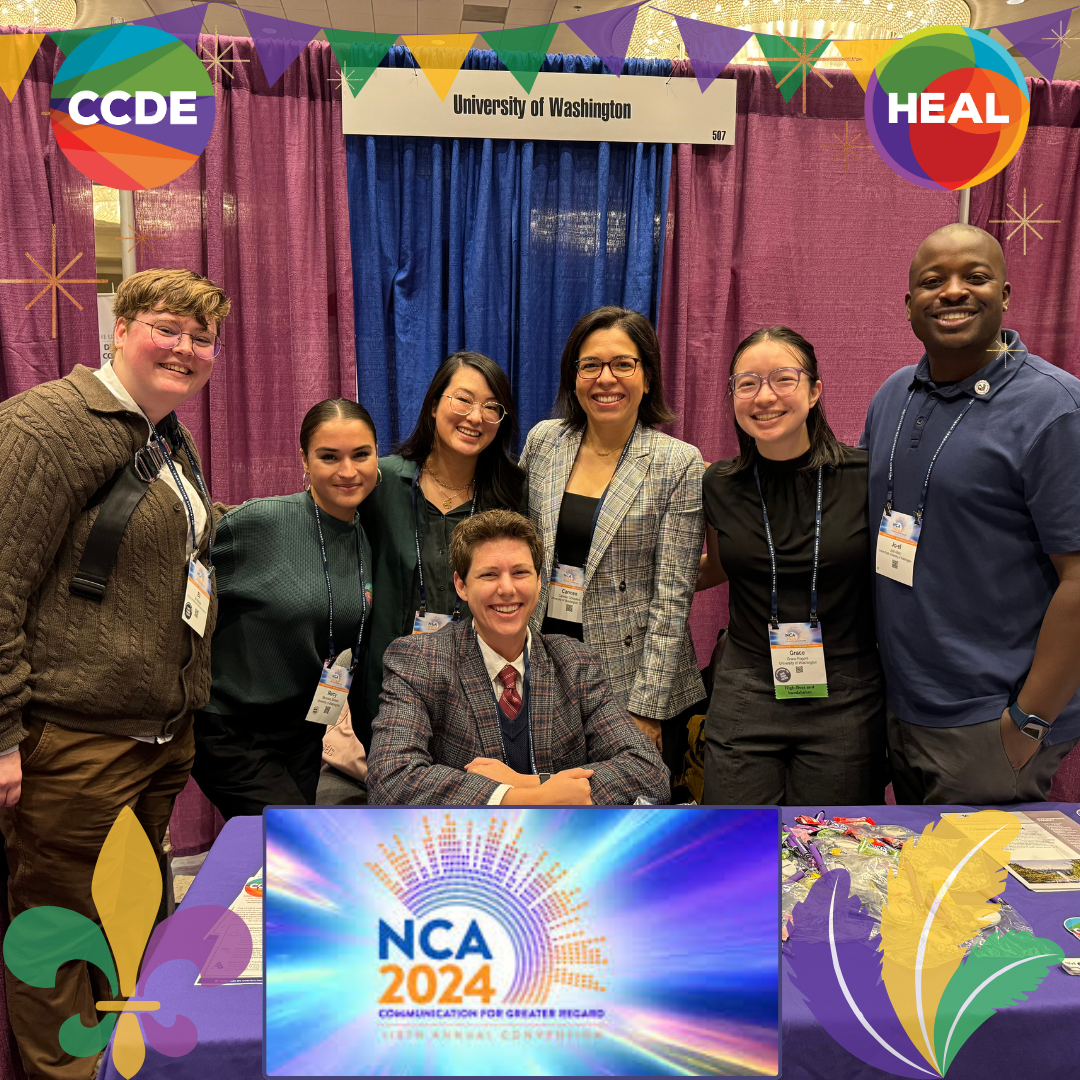
In November 2024, I attended the National Communication Association conference in New Orleans, LA. I was there to present my research entitled “Radical Peacemaker Interruptions: Restorative Justice Facilitator Perceptions of Power and Regarding the Relationship between RJ and the Carceral State,” which specifically presented strategies that I had identified and developed from practitioners. I presented alongside incredible panelists in the Peace and Conflict Studies Division Top Paper Panel of NCA. For instance, Rezaul Karim, Mamunor Rashid, Mahedi Hasan, Ali Ahsan, and Sharifa Shirina had conducted compelling data analysis on media reporting of peacemaking efforts during hostage situations. Dr. Charoensap- Kelly Charoensap-Kelly presented on using values oriented language to resolve interpersonal conflict and facilitate understanding between Interpersonal relationship relationships. And Dr. Doris Wesley presented on how the media reported on recent presidential elections in Nigeria. I was awarded the Top Student Paper award in this division. I am truly grateful that this work was recognized, celebrated, and compelling to not only NCA as a whole, but the Peace and Conflict Studies Division. Restorative justice is currently under-studied, and there is a clear interest and desire to examine it further, especially as it gains more notoriety than the public eye. This is most exemplified by the undergraduate students who attended the panel and not only asked for my advice on graduate school afterwards, but also asked for resources to help guide their reading and learning about restorative justice as they pursue graduate school.
Much like my earlier reflection on my attendance at the Peace and Justice Studies Conference in Niagara Falls, NY. This reflection will also focus on the impact of attending a conference in New Orleans and how the city in addition to the scholars and academics I connected with, helped shape my reflections and research. I visited the Vue Orleans Observation Deck and interactive museum. At the museum, I learned about activists, artists, notable, historic cultural figures who helped bring this city to life. For instance, I learned about Voodoo, herbalist and midwife Marie Laveau and Henriette DeLille who was the first mother superior to the second-oldest surviving congregation of African-American religious and American blues and jazz pianist and composer Jelly Roll Morton. This city is the perfect presentation of how diversity and difference work together to create something beautiful and full of life. From the architecture to the music to the artwork and the history everywhere I looked I could see the different cultural influences that made the city possible. The museum didn’t shy away from the traumatic and violent history that also encompassed the city such as the colonization of Indigenous lands and how enslaved Africans built the city. Such history created and currently creates the problems inequities the city faces such as the racialized inequity that was most exacerbated and highlighted by Hurricane Katrina.
Walking through New Orleans, I was able to access an embodied history which gave greater weight and meaning to my research and reading. For instance, I did research with Dr. Timeka Tounsel over the summer and read about the gentrification of New Orleans. In my readings, I learned about how the city of Gretna, a predominantly white neighborhood, refused to admit Black residents into their city after Hurricane Katrina city lack of resources. Gretna city leadership even sent police to prevent Black New Orleans residents from entering Gretna through the Crescent City Connection Bridge. When I was at Vue Orleans Observation Deck, I could see the bridge. It was another representation of crossing for Black Americans, another symbol of crossing over a body of water into the hopes of freedom and help after facing devastating losses. However, unlike crossing the Niagara River, the freedom promised by crossing the Mississippi River was denied. Again, I reflected on the significance of geographical borders and how they represent the distance between loss and hope. I also thought about how borders are sites of scarring because of the way they exclude and deny folks access to identity and resources like Anzaldúa describes when she talks about Borderlands. New Orleans is a city that embodies the beauty of embracing difference; it embodies the capacity of dialogue to facilitate understanding and appreciation and celebration of cultural diversity to create and innovate in the face of adversity. At the same time, the history of New Orleans is fraught with conflict and harm which dialogue and restorative justice have the capacity of addressing. The harms that exist within the city are still very prevalent and I am curious to learn more about restorative justice efforts in the city and how its citizens embody resilience. It also reinforced the impact of embodied learning of history and social justice and made me think closely about how I could facilitate more dialogue but also pedagogy on sites of geographic significance. I was grateful to have learned about New Orleans and to engage with the scholars, historians and practitioners and citizens of the city through NCA.